


 106 / 140

November 2018
104 \
World Cement
Technology Roadmap and identified four main levers
to comply with ambitious CO
2
reduction targets: clinker
substitution, alternative fuels (AFs), energy efficiency, and
carbon capture and storage.
1
Carbon capture technologies
have been investigated in the past two decades but
they are still not mature and require demonstration.
Clinker substitution is making good progress, taking
into account the respective cement markets, national
cement standards, customers’ awareness and acceptance,
and the availability of non-clinker cement constituents.
2
The use of AFs is rising worldwide but it is a stepwise
process and needs careful control with regard to process,
product quality, and environmental aspects. The increase
of the thermal substitution rate usually requires a long
learning curve to re-optimise the process and deal with
many techno-economic challenges that compete against
each other. Field experience and technical knowhow
are fundamental to reach higher substitution rates and
shorten the learning curve.
Energy typically accounts for about 40% of operational
costs in the cement industry.
3
For this reason, cement
companies have always recognised energy efficiency as
a subject of major interest that is crucial to a successful
business. The factors affecting energy demand in cement
production are well known, but the assessment of the
influence of their interactions is complex. A simultaneous
examination of the interactions between the energy
performance of individual process steps and the entire
process chain, including the product portfolio, is necessary.
The replacement of single, outdated major equipment
units by others with higher energy efficiency can provide
considerable gains and has already been extensively
described in the CSI/European Cement Research Academy
(ECRA) technology papers.
4
However, such a strategy
also requires significant investments, which have to be
carefully assessed on a case-by-case basis. In addition,
energy efficiency is often improved through process
optimisation without major technology changes.
While in well-operated and maintained cement plants
measures with high improvement potentials have been
implemented, it is always worth identifying potential
small improvements in the process. Experience has shown
that, in total, they can provide relevant energy savings
without disregarding product quality or breaching
emissions limits.
Energy reviews
VDZ has developed and refined its assessment
methodology for conducting energy reviews. Depending
on the objectives of the plant management, reviews at
three different levels can be provided:
z
Basic: assessment based on information available in
the plant.
z
Advanced: basic review plus onsite visit and
inspection.
z
Detailed: advanced review plus performance of onsite
measurements, such as mass and airflows, heat and
energy balances, emissions, and material sampling, etc.
Energy reviews address all relevant energy aspects
and energy performance indicators of the cement
manufacturing process as a whole, from the quarry
to cement dispatch. This includes fuel and power
consumption, the plant’s design, operation, and energy
management. The comparison of assessment results is
done against the reviewer’s database and internationally
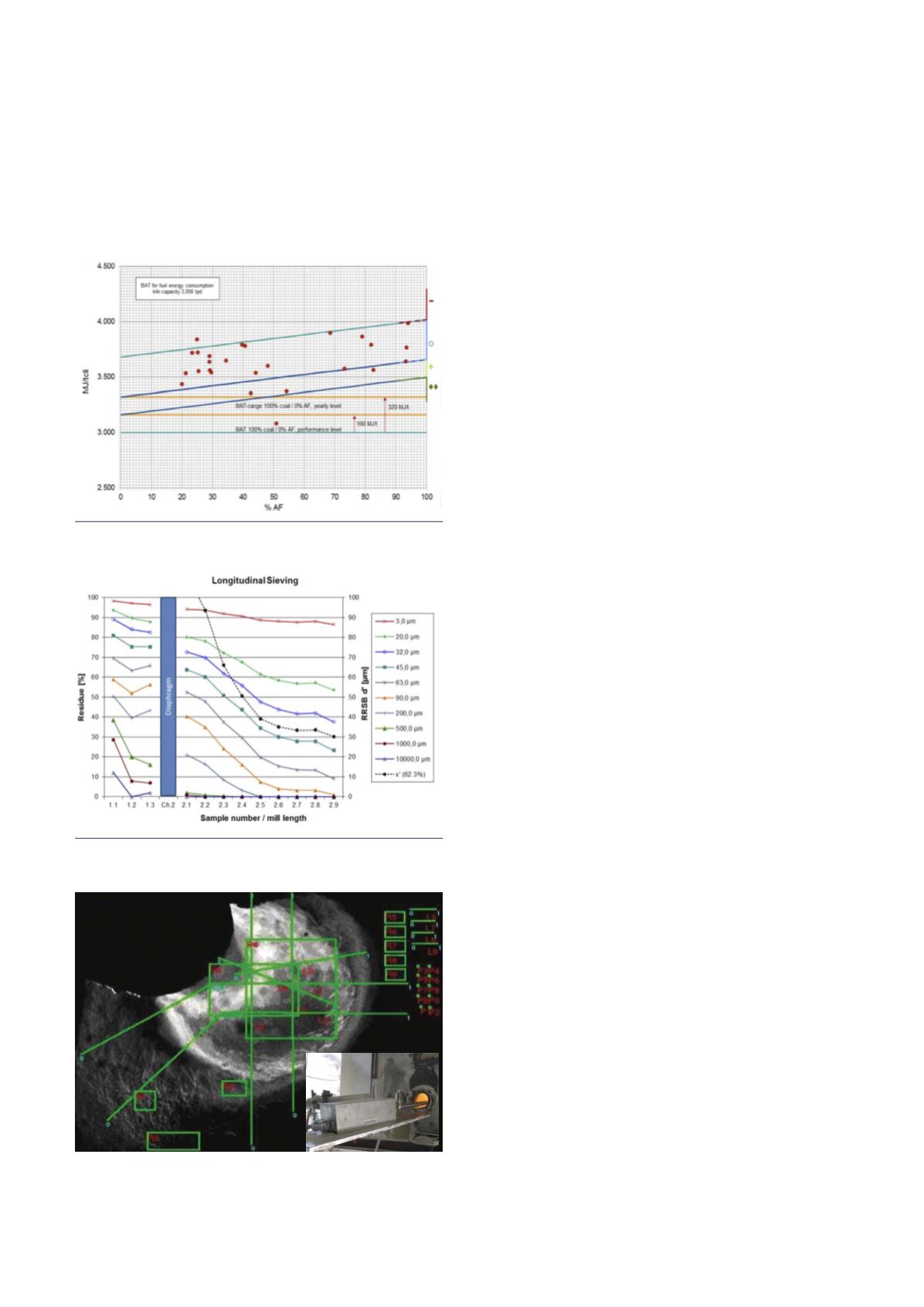
Figure 1. Assessment of fuel energy performance
according to VDZ’s methodology.
Figure 2. Results from a meter sampling of a two
chamber ball mill for cement grinding.
Figure 3. Use of thermography for flame shape
monitoring and optimisation of AF firing.