


 112 / 140

November 2018
110 \
World Cement
cement as a ‘recovered’ product, recognising it as a
material that can enhance the sustainability of concrete.
When used correctly, slag cement can help extend the
lifecycle of buildings and structures, due to its impact on
lowering concrete permeability and reducing different
corrosive attacks.
Slag cement is commonly used in ready-mixed
concrete, precast concrete, masonry, soil cement, and
high temperature resistant building products. It is
categorised as a supplementary cementitious material
(SCM) like flyash and silica fume. Slag cement and flyash
(a coal combustion product) are the most commonly
used SCMs in construction today and work together in
different circumstances to optimise desired concrete
benefits. However, slag cement can be used at a
higher percentage replacement of portland cement
in comparison to other SCMs, depending on the
application. This adds to the sustainable impact slag
cement can make in concrete. In comparison to flyash,
slag cement has a more consistent chemical structure,
producing concrete with more consistent performance
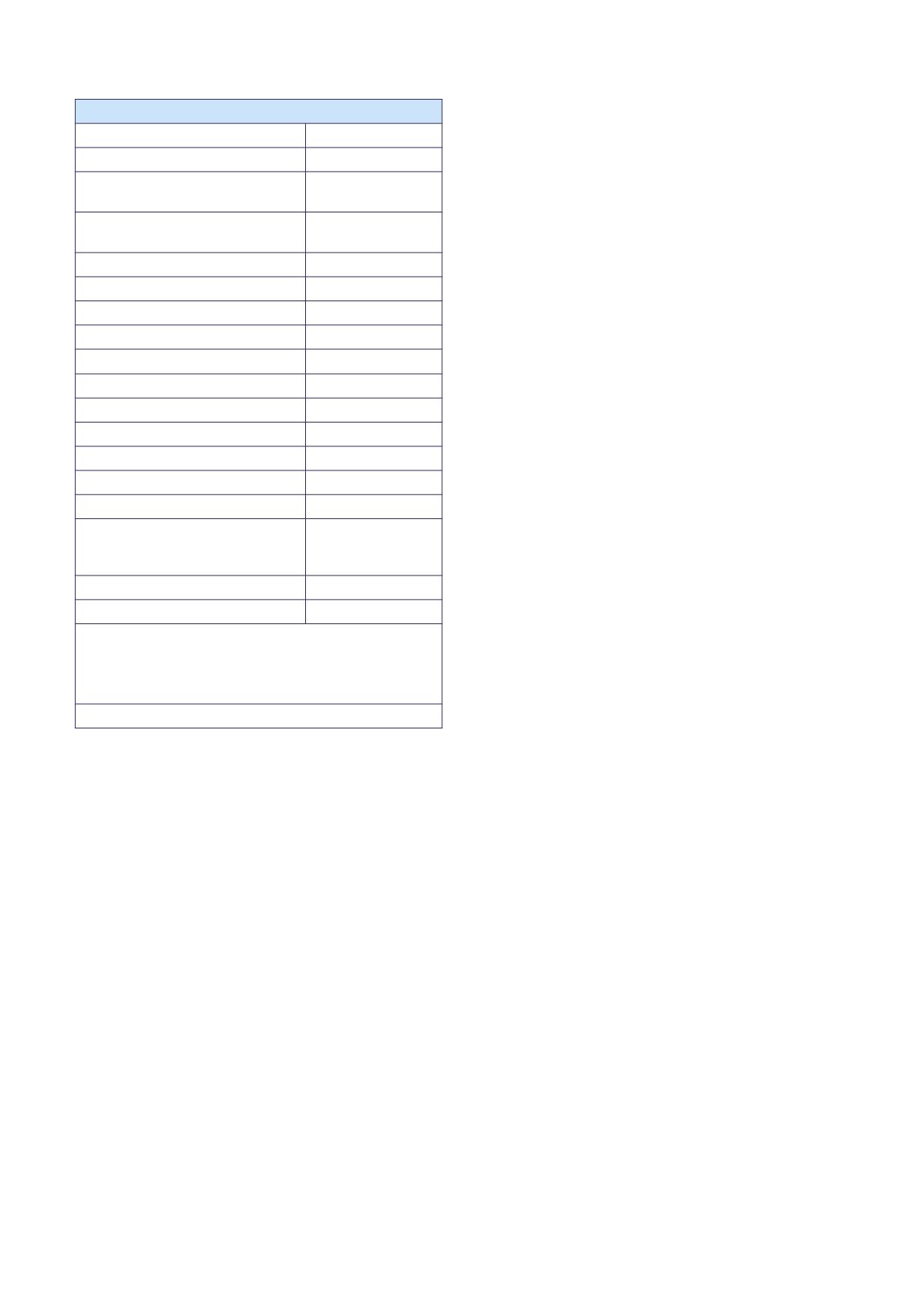
results that are easier to replicate. A chart outlining
the various applications and recommended percentage
replacements is detailed in Table 1.
Material availability
Industry opinion on material availability depends on
personal use within different regions. However, in the
last few years the Slag Cement Association (SCA) has
seen an uptick in two key indicators of growth in the
slag cement market in the US: an increased number
of locations supplying slag cement and an increase
in shipping of slag cement. The slag cement locator
database on the SCA website has seen a 15% increase
in sales office locations since August 2017, hosting more
than 140 contacts throughout the US. Data from 2017
showed a 14% increase in slag shipments over 2016
and a 12% gain the year before. In fact, slag cement
shipments in the US have been increasing steadily since
2013. The SCA has also seen a 23% increase in slag
cement shipments to western US states as outlined in
its 2017 shipment trends report to members.“We see
the value slag cement brings to the industry through its
wide range of benefits and applications
–
and producers
are definitely seeing an increase of requests for the
product,” said SCA President Ed Griffith.
Six concrete benefits with slag cement
There are several ways incorporating slag cement
can positively impact the performance of a concrete
mix design. A comprehensive look at all the benefits
is available on the SCA website; however, there are
six that sit at the top of the list for many industry
professionals.
Alkali silicate reaction mitigation
Alkali silica reaction (ASR) occurs when the alkalis in
portland cement react with certain reactive aggregates
and water to form an expansive gel that causes
concrete to prematurely deteriorate. Slag cement
mitigates ASR by combining with the alkalis in portland
cement, making them unavailable for the ASR reaction.
It also lowers the permeability of the concrete, limiting
the amount of water that is available to support the
reaction. In some cases, it will lower the total alkali
content of the cement paste. Examples of mitigation
for reactive aggregates using slag cement include the
I-275 pavement reconstruction and the I-96 Interstate
pavement near Detroit, Michigan.
Increased strength gain
Slag cement increases the strength of conventional
concrete, particularly later-age strengths, and is
often a vital component in producing high-strength
concrete. Many projects have achieved consistent field
concrete strengths in excess of 8000 psi. Additionally,
engineers have specified ternary or even quaternary
mixtures containing slag cement, portland cement, and
pozzolans in projects requiring strengths greater than
12 000 psi, such as Reliant Stadium in Houston and Key
Tower in Cleveland.
Concrete flexural strengths in excess of 1000 psi are
common with mixes containing slag cement. Flexural
concrete strength is increased due to a stronger bond
Table 1.
Slag cement replacement proportions.
Application
Slag cement
Concrete paving
25
–
50%
Exterior flatwork not exposed to
deicer salts
25
–
50%
Exterior flatwork exposed to deicer
salts with w/cm <0.45
25
–
50%
Interior flatwork
25
–
50%
Basement floors
25
–
50%
Footings
30
–
60%
Walls and columns
25
–
50%
Tilt-up panels
25
–
50%
Pre-stressed concrete
25
–
50%
Precast concrete
25
–
50%
Concrete blocks
25
–
50%
Concrete pavers
25
–
50%
High strength
25
–
50%
ASR mitigation
25
–
70%
Sulfate resistance
Type II equivalence
Type V equivalence
25
–
50%
50
–
65%
Lower permeability
25
–
65%
Mass concrete
50
–
80%
Note: Percentages indicate replacement for portland
cement by mass. Suggested rates are based on historical
performance, however variations in material sources and
environmental conditions may require alternate rates.
Source: Slag Cement Association