


 48 / 140

November 2018
46 \
World Cement
damaged and product lost. To guarantee bag stack
integrity, pallets have to be stored undercover, which
requires a plant to have vast storage enclosures.
Pallet-less stacks, however, are thoroughly
protected and can be stored outside, whatever
the weather. Keeping the bag secure ensures the
supplier’s first priority is met: the product will arrive
with the customer in the intended condition.
Wooden pallets are a cost burden and they offer
zero added value to the cement they support. It
makes no economic sense to send wooden pallets off,
laden with bags of cement, never to be seen again.
A recirculation system is therefore a necessity, albeit
a problematic one. Establishing such a system can
be difficult or even impossible, depending on the
kind of market in which a cement producer operates.
Then there is the fact that pallets cannot be used
ad infinitum
without repairs – eventually they will
break down. Buying pallets, recirculating them, and
repairing them all adds up in both cost and hours
that cannot be reclaimed.
Pallet-less technology avoids all of this. The cost
of the plastic is far lower than the cost of a one-way
wooden pallet and the impact on transportation
costs is negligible.
The Russian market has grown wise to this.
Cement is dispatched far and wide across this
expansive country in weather conditions that vary
dramatically from season to season. The availability
of wooden pallets is limited, as is the existence of
a pallet management system to ensure efficient
recirculation. As a consequence, Russian cement
producers are increasingly opting for pallet-less
solutions, to be supplied together with packing and
palletising lines for 25 kg or 50 kg bags.
This technology enables Russian producers to
choose bagged cement dispatch, a choice that
has previously been unworkable given the poor
availability of wooden pallets.
Overseas export
Historically, overseas export of bagged cement
was complicated. Wooden pallets are not welcome
aboard water transport due to limited space. In
addition, adverse weather conditions have the same
implications at port or aboard a ship as they do in
the stockyard. Pallets must be stored undercover
to protect the bagged product; pallets continually
exposed to harsh conditions will not last very long.
For markets such as Turkey, therefore,
which is the largest cement exporter in Europe,
pallet-less technology has become an important
part of the supply mix. A significant portion
of Turkey’s cement export is bagged product,
thanks in part to the availability of a pallet-less
solution. Ventomatic solutions include the following:
z
Lines for handling solo pallet-less stacks.
z
Hybrid systems capable of handling stacks with
and without pallets.
z
Systems that use sling bags, as well as stacks.
Conclusion
Wooden pallets still have their place. After all,
they are the most conventional way to move
goods, including bagged cement. However, in
situations where wooden pallets are not easily
available, where the recirculation system is lacking,
or where wooden pallets are not accepted, the
pallet-less solution offers a strong alternative
solution. Stretch-hood technology makes the
use of plastic film even more efficient than the
previously dominant shrinking systems. In the
future, the introduction of recycled materials will
ultimately make pallet-less technology the more
environmentally friendly option.
About the author
Enrico Lanzini is Ventomatic
®
Global Support Manager for
FLSmidth.
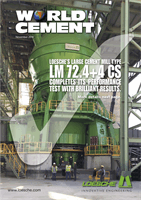
Figure 4. Storage of stacks of bags on wooden pallets.
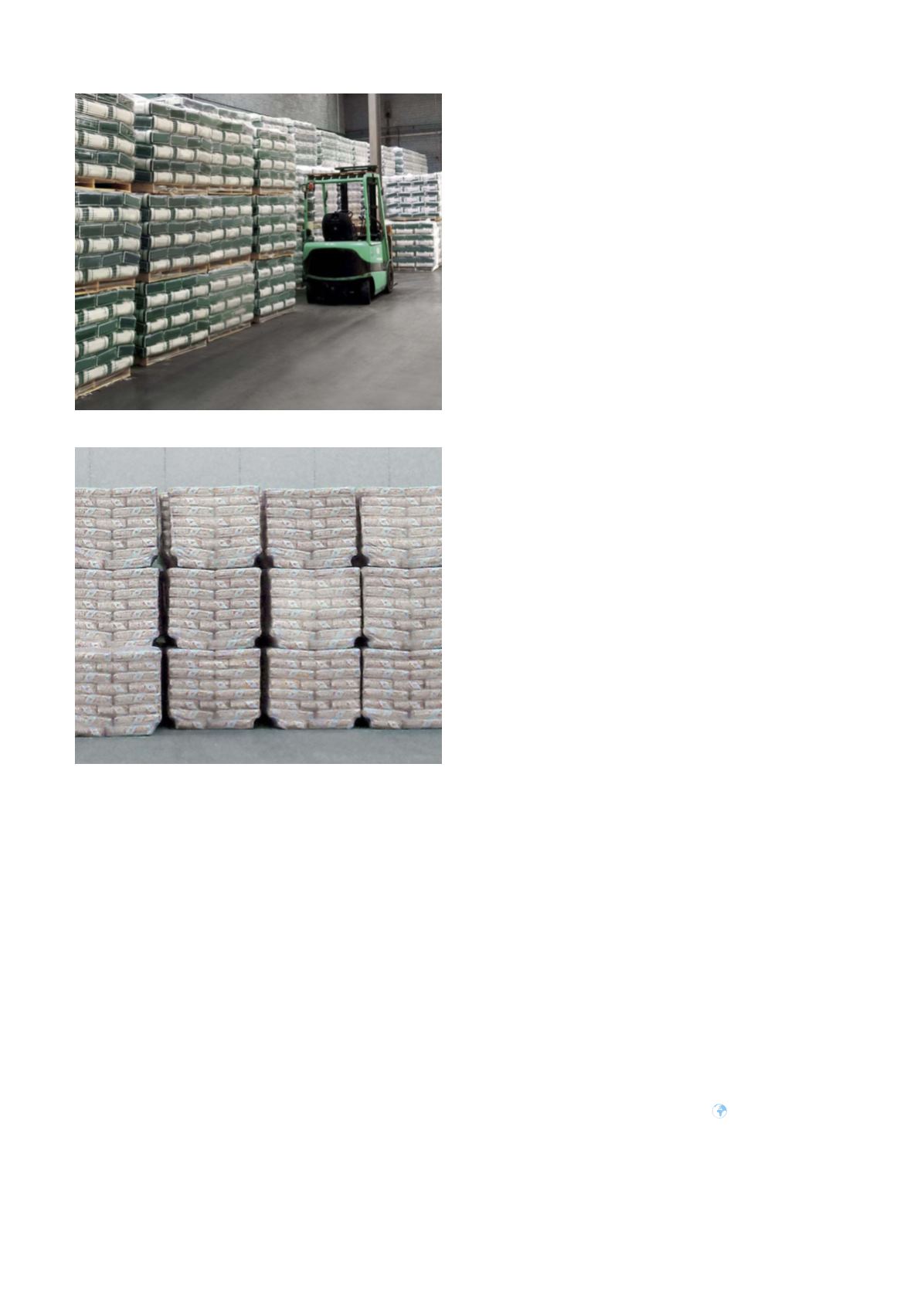
Figure 5. Storage of pallet-less stacks of bags.