


 96 / 140

November 2018
94 \
World Cement
leaving a highly concentrated CO
2
gas stream. This
gas stream can then be used for enhanced oil field
recovery (EOR), sequestration, or other applications.
Complete oxy-combustion presents several
challenges for the cement industry. Traditional
designs for clinker coolers, burners, refractories,
and kiln seals, etc. will all need to be adapted. ECRA
has been making steady progress in resolving these
issues: one of the most recent developements is the
installation of an oxy-combustion, partial slip stream
cooler at HeidelbergCement’s Hannover plant in
Germany. Currently, two existing European cement
plants have been shortlisted for oxy-combustion
conversion in the near future.
9
Oxy-calcination is a reduced form of
oxy-combustion that aims to simplify the process
at the expense of not capturing 100% of the CO
2
.
In oxy-calcination, only the precalciner gases are
isolated and captured. Approximately 85% of the CO
2
emissions can be captured in this simplified approach.
This avoids issues with coolers, burners, kiln seals,
etc., and provides a more cost-effective approach
when compared to full oxy-combustion. However, the
oxy-calcination scenario relies on a specific design
of twin preheater towers and therefore cannot be
retrofitted into many existing installations. One
benefit of oxy-calcination, though, is that it can be
planned in the design of future cement plants for a
minimum cost.
In oxy-calcination preparation, there is a
two-string preheater with a single precalciner vessel
and lower stage collection cyclone. For normal
operation the gases from the collection cyclone
split into two preheater tower strings. The material
collected from the cyclone is fed to the kiln. Both
preheater strings feed the precalciner vessel. The kiln
gases are fed into the precalciner vessel through the
riser duct as normal (Figure 3).
To switch to oxy-calcination, the kiln gases are
switched to one preheater string only, while the
precalciner is fed pure oxygen for fuel combustion.
A portion of the precalciner string exhaust gases
are recirculated back to the precalciner to provide
enough gas flow through the preheater. The
precalciner exhaust string gases are rich in CO
2
and
water vapour and can be cleaned for further use
(Figure 3). The inclusion of this technology should be
considered in the design and construction of all new
plants.
Indirect calcination
Another approach to collecting a purer CO
2
stream from cement manufacture is called indirect
calcination. Indirect calcination involves performing
the heating and calcining of the cement raw
materials without direct contact with combustion
exhaust gases. Several methods of transferring the
heat to the raw materials have been proposed over
time, including the use of heat transfer oil, electrical
induction, heated metal balls, and even hot clinker.
The Low Emissions Intensity Lime & Cement (LEILAC)
group in Europe is developing an indirect calcination
pilot plant at Heidelberg’s Lixhe plant in Belgium.
The furnace has recently been delivered to site and
construction should start in the near future.
10
The indirect calcination approach would capture
only the CO
2
from calcination, which, from a
traditional cement manufacturing sense, would
represent some 60% of the total CO
2
emissions. The
exact percentage collected would depend on how the
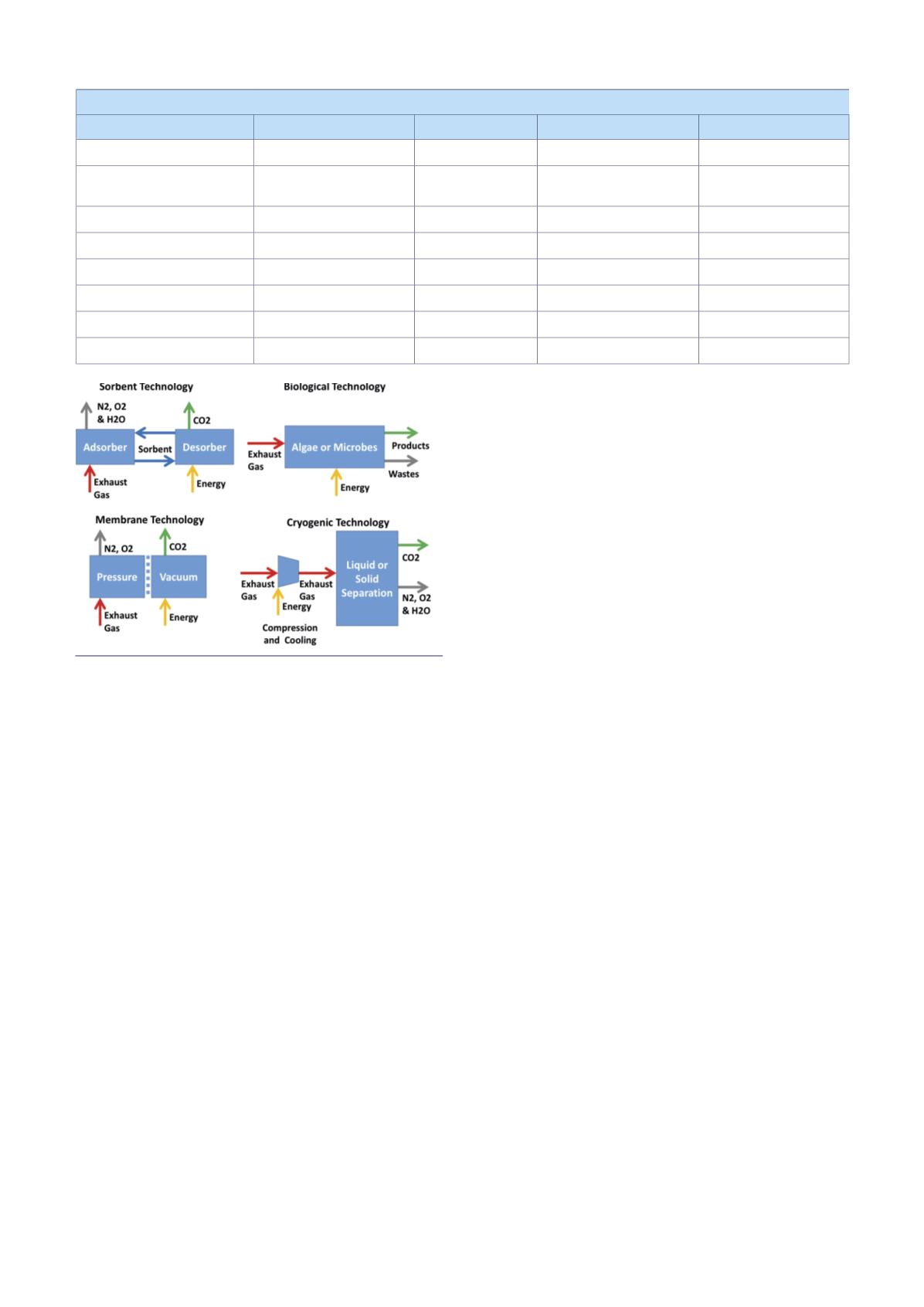
Figure 4. Schematics of simplified post-combustion
technologies.
Table 3.
Comparison of oxy-combustion and indirect calcination approaches.
System
Kiln oxy-combustion Oxy-calcination Total oxy-combustion Indirect calcination
CO
2
capture
15%
85%
100%
65%
Yield (tonne of CO
2
per
tonne of O
2
)
1.3
5
3.5
NA
Leakage
Kiln seals
Tower only
Kiln and tower
Precalciner only
Quality impact
Potential
None
Potential
None
Cooler issues
High
NA
High
NA
Efficiency impact
High
Moderate
High
High
Refractory impact
Potential
None
Potential
None
Technology needs
Kiln seals and cooler
None
Kiln seals and cooler
None